Case Study
Fictional study using public references and recreated assets. No proprietary tools, internal assets, or unreleased product details are shown.
/ AI Creative Systems &UGC Cover Art
UGC games often struggle with discovery assets that communicate genre, character appeal, and gameplay at thumbnail size. This self-initiated study explores how AI-assisted art direction can turn fictional gameplay inputs into polished, brand-ready cover art while defining a repeatable quality bar for composition, readability, character focus, and visual consistency.
10-20x
concept output
Polished visual directions per session, compared with one manual direction per day.
5x
Faster Alignment
Stakeholders could evaluate composition, style, and brand fit through polished options instead of rough sketches.
AI accelerates the early art direction phase by turning abstract briefs and rough gameplay context into polished visual options that partners can evaluate quickly.
1. Gameplay Input
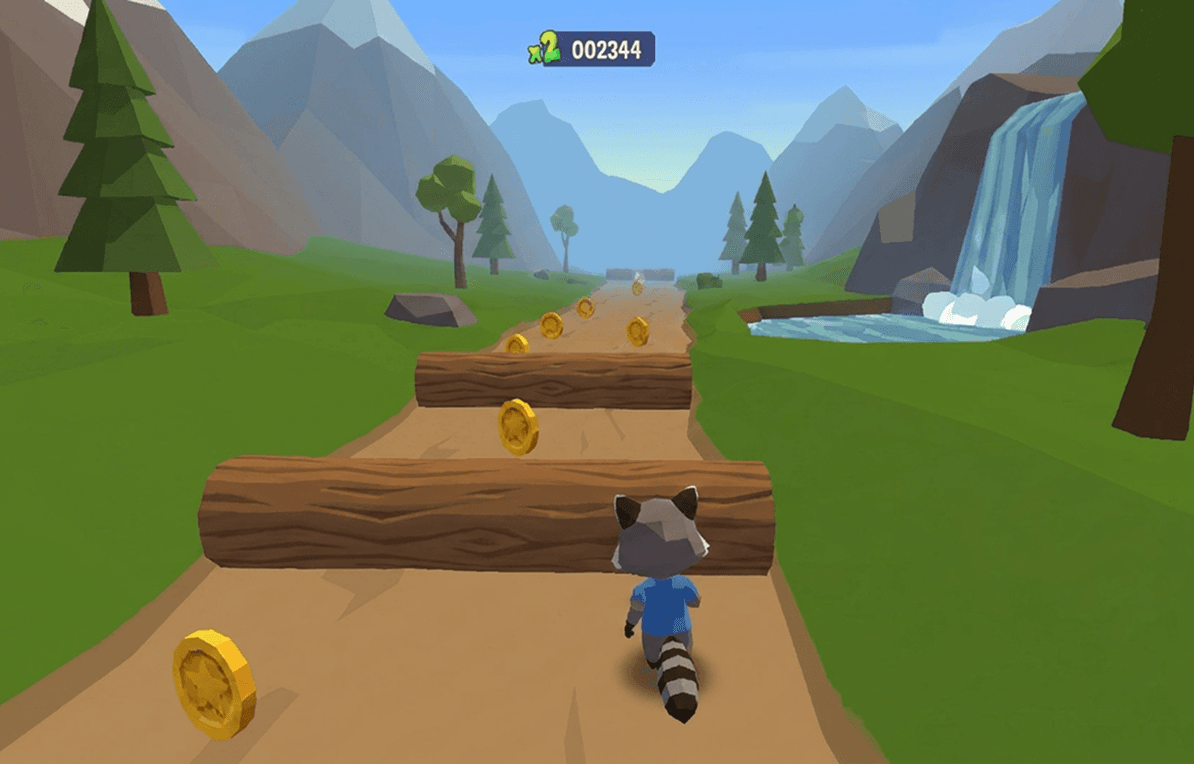
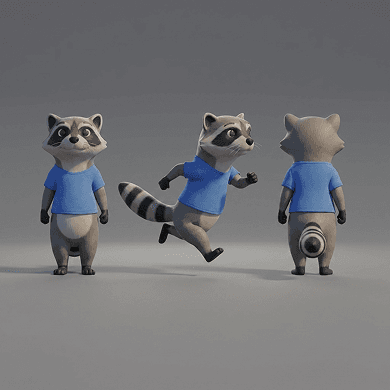
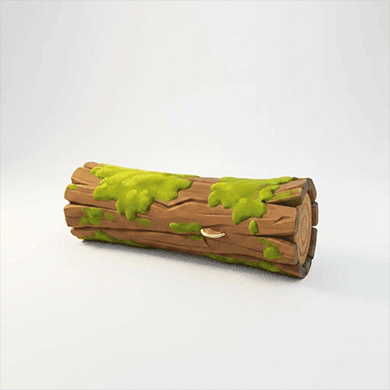
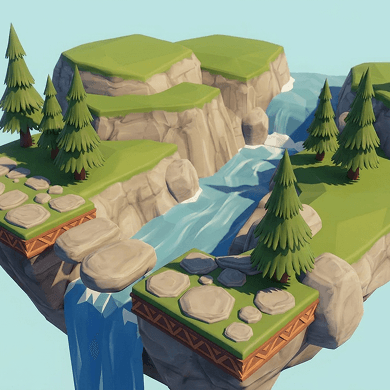
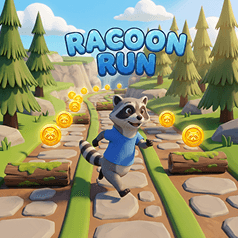
Started from a fictional UGC-style gameplay frame and identified the core visual ingredients: main character, environment, collectible, obstacle, movement path, and overall gameplay mood.
The goal was to translate raw gameplay context into a stronger visual direction that could work as a discovery asset, not just a screenshot.

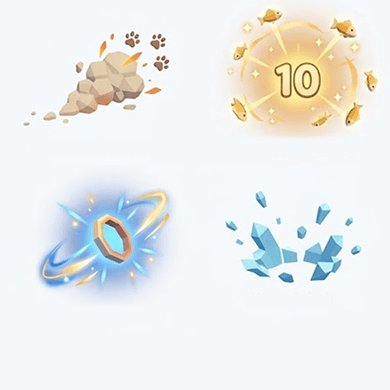
2. Visual Asset System
A vision-language model identifies the core visual ingredients in the fictional gameplay frame: character, collectibles, obstacles, environment, effects, and logo direction.
From there, I built a consistent visual language across each asset so the final cover would feel cohesive, appealing, and production-ready while preserving the playful tone of the original gameplay concept.
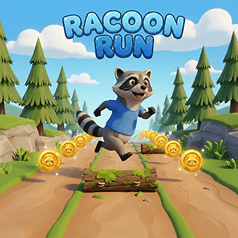
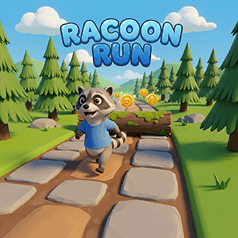
3. Cover Composition
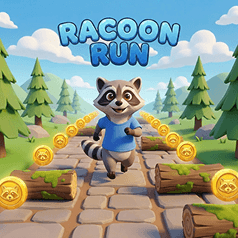
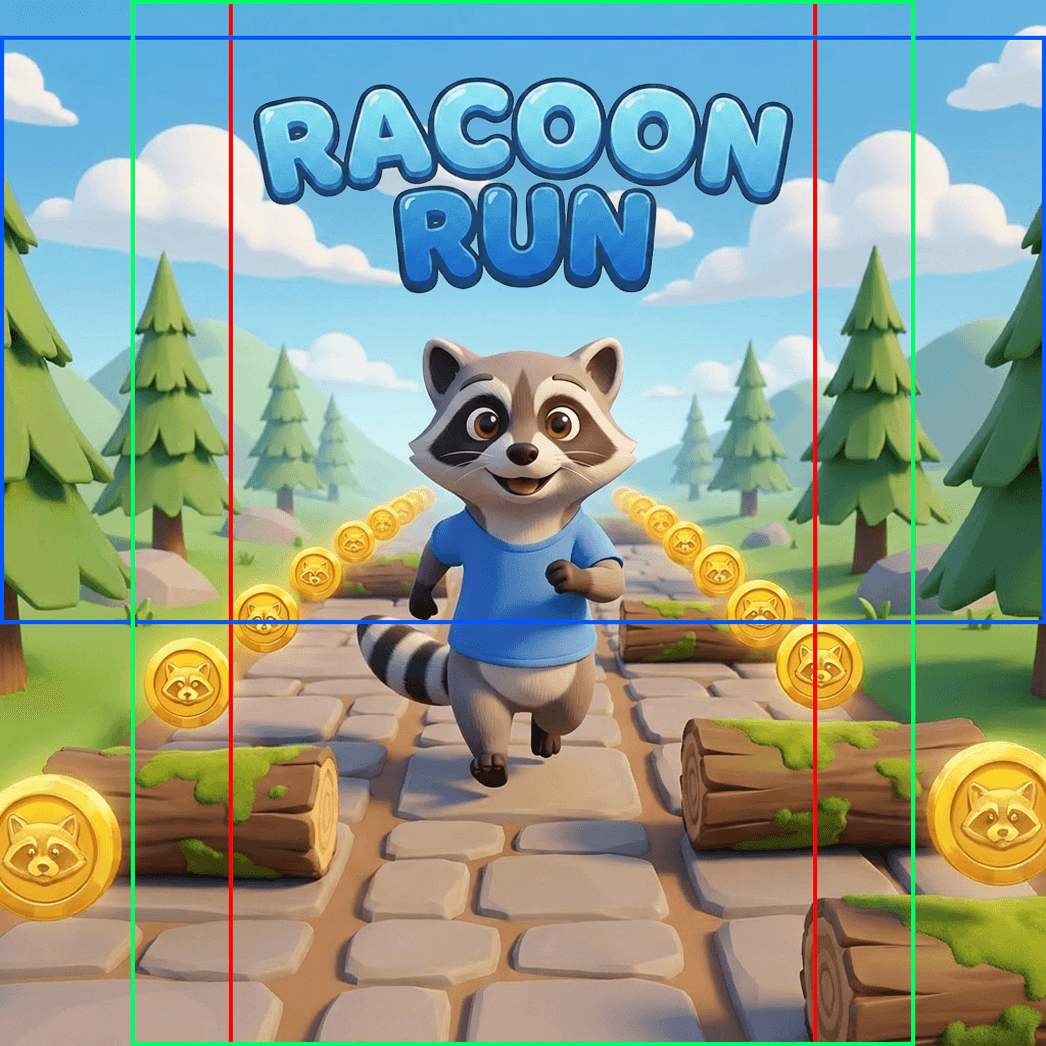
Explored multiple cover directions, then selected a composition optimized for mobile readability, instant genre recognition, and brand consistency.
I defined rules for focal character placement, color harmony, vibrancy, saturation, glow treatment, and title-safe areas.
4. Format & Motion Extension
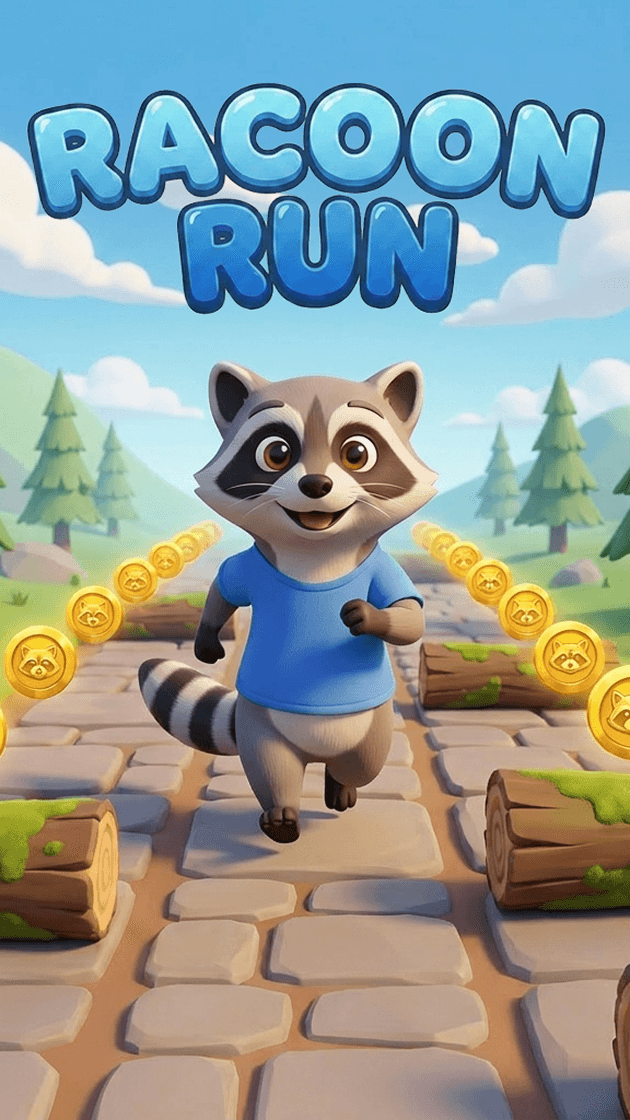
Extended the approved cover direction into vertical mobile formats and motion-ready outputs while preserving focal character, title hierarchy, and brand consistency.
This demonstrates how one art-directed concept can scale across discovery surfaces without losing clarity or visual appeal.
Case Study
Fictional study using public references and recreated assets. No proprietary tools, internal assets, or unreleased product details are shown.
/ AI-Assisted Key Art
This self-initiated study explores how AI-assisted concepting can turn an ambiguous platform brief into polished key art direction. The process moves from public reference analysis and moodboarding to high-fidelity exploration and curated iteration, with a focus on tone, world scale, composition, and brand fit.
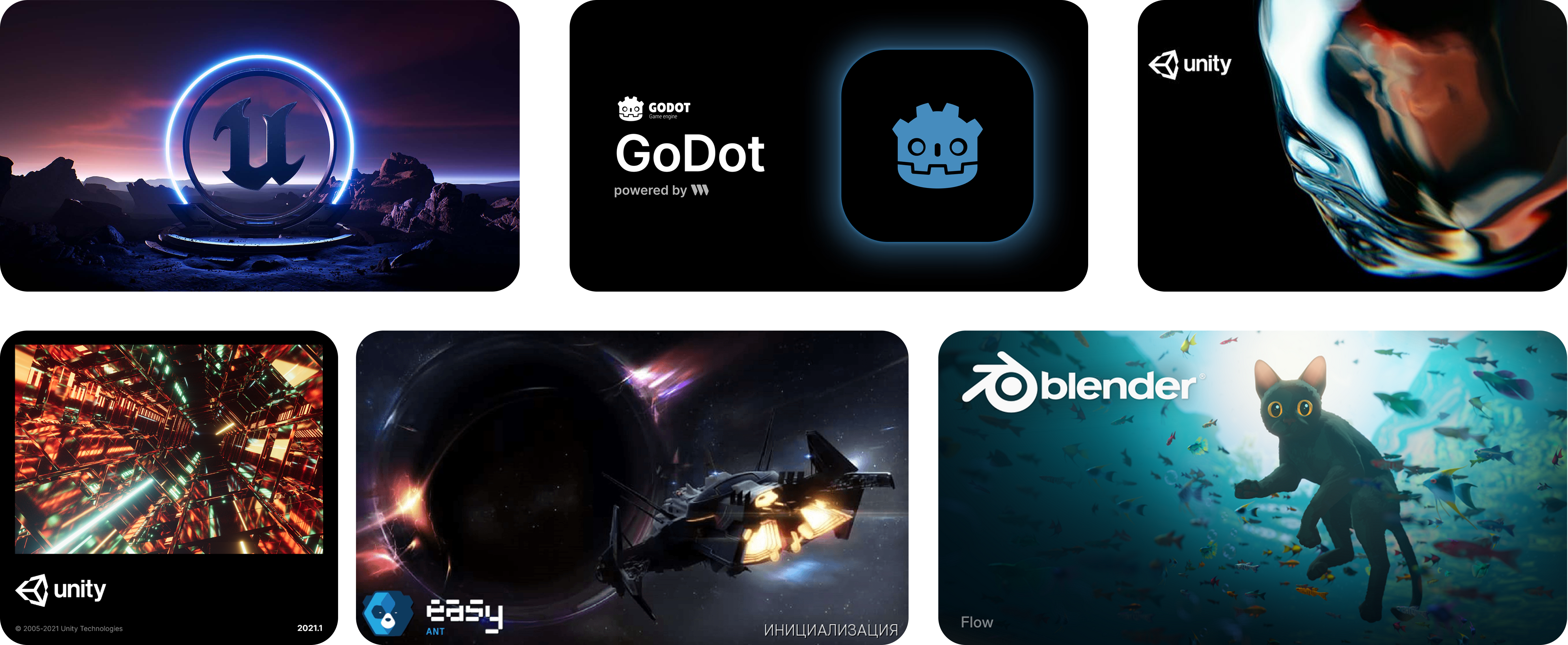
Public Reference Analysis
Reviewed public engine, creator-platform, and launch visuals to understand how key art communicates technical credibility, world scale, creative possibility, and emotional impact.
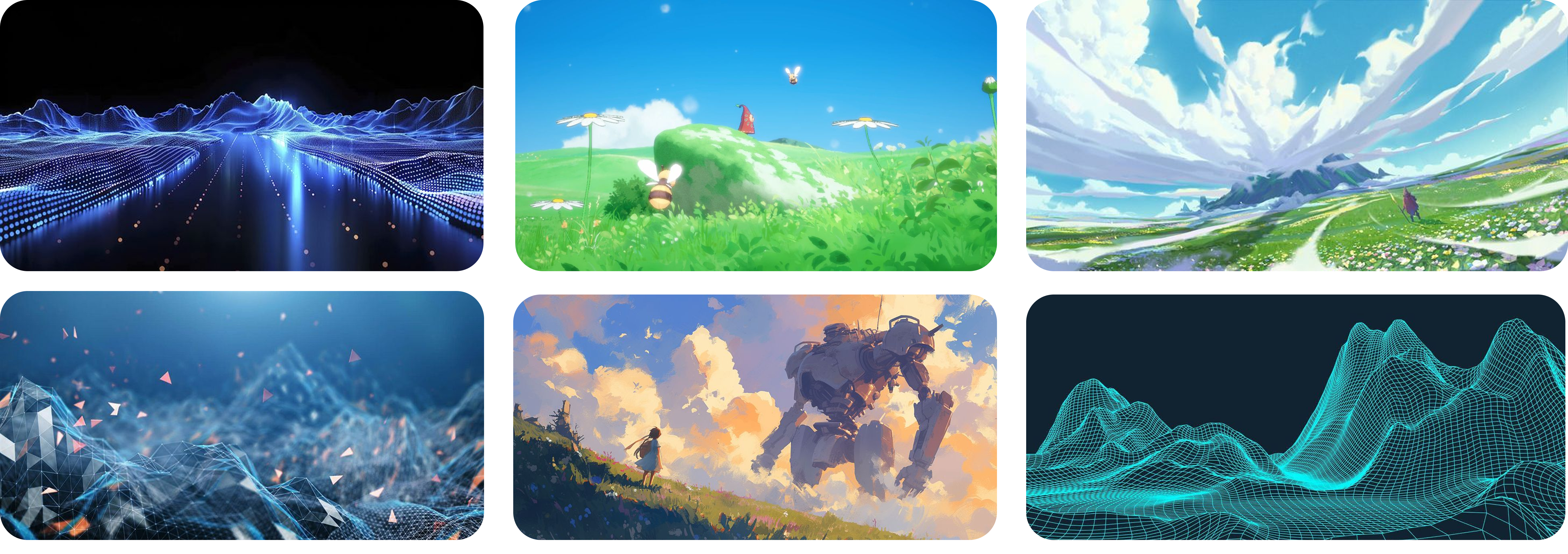
Moodboard
Defined a visual territory that balances cinematic world-building, approachable creator energy, and premium platform identity.
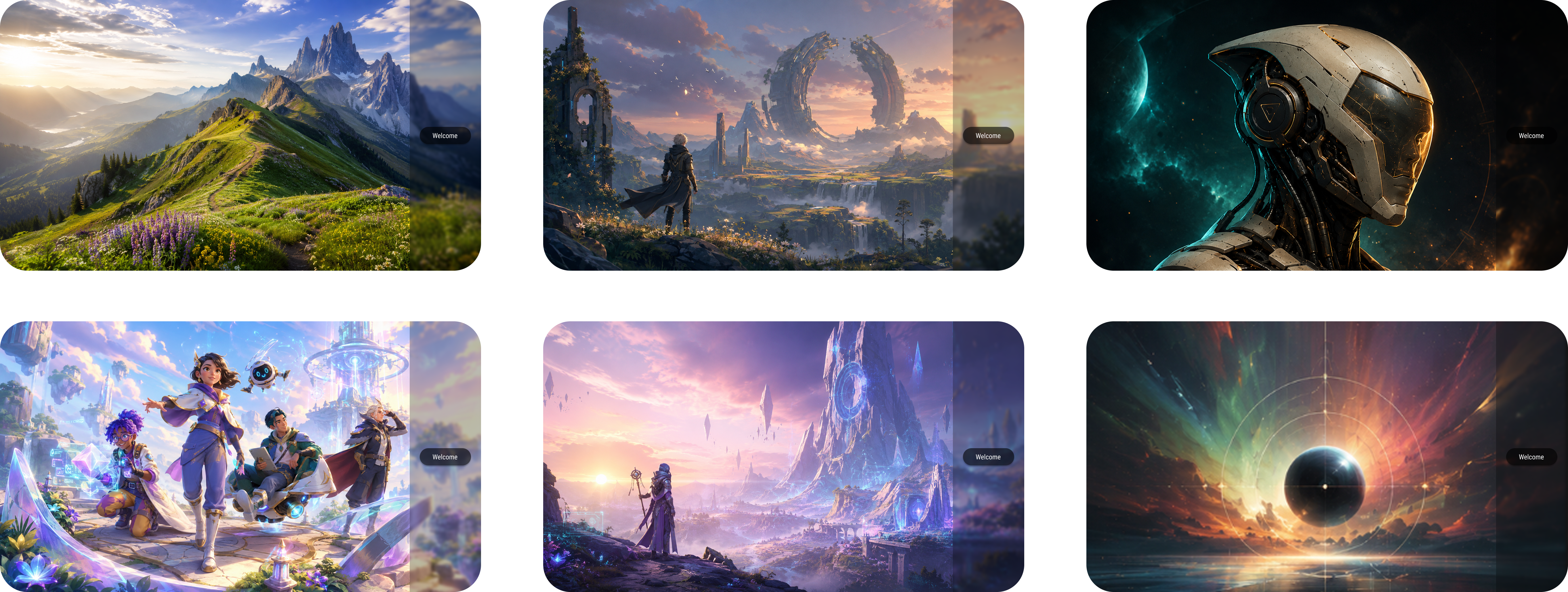
Exploration
Used AI-assisted concepting to rapidly generate high-fidelity directions across tone, composition, scale, character presence, and emotional entry point.
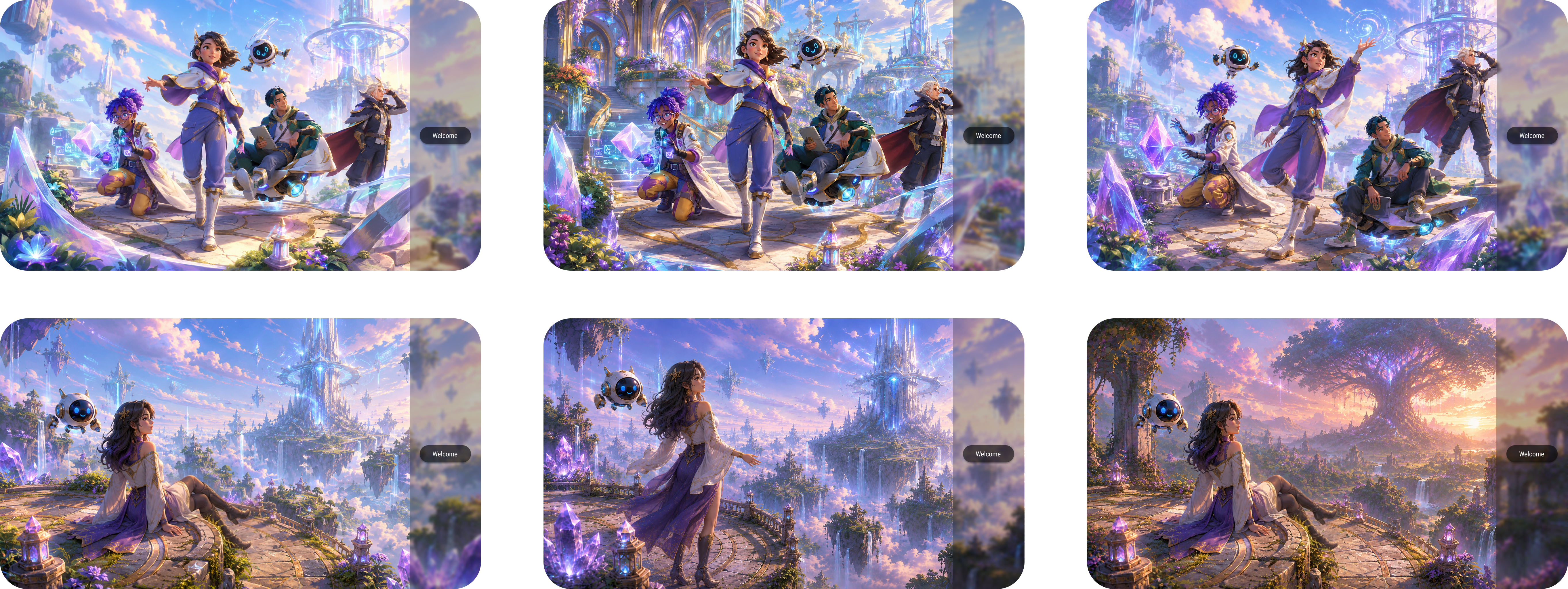
Iteration
Curated and refined the strongest directions through repeated visual passes, focusing on focal point, atmosphere, depth, brand fit, and launch-readiness.